
The NBA Essentials Tracksuit trend has become one of the most talked-about intersections between sports culture and streetwear fashion. At the center of this movement is the Essentials tracksuit, a piece that blends comfort, minimalism, and luxury-inspired design in a way that feels both accessible and exclusive.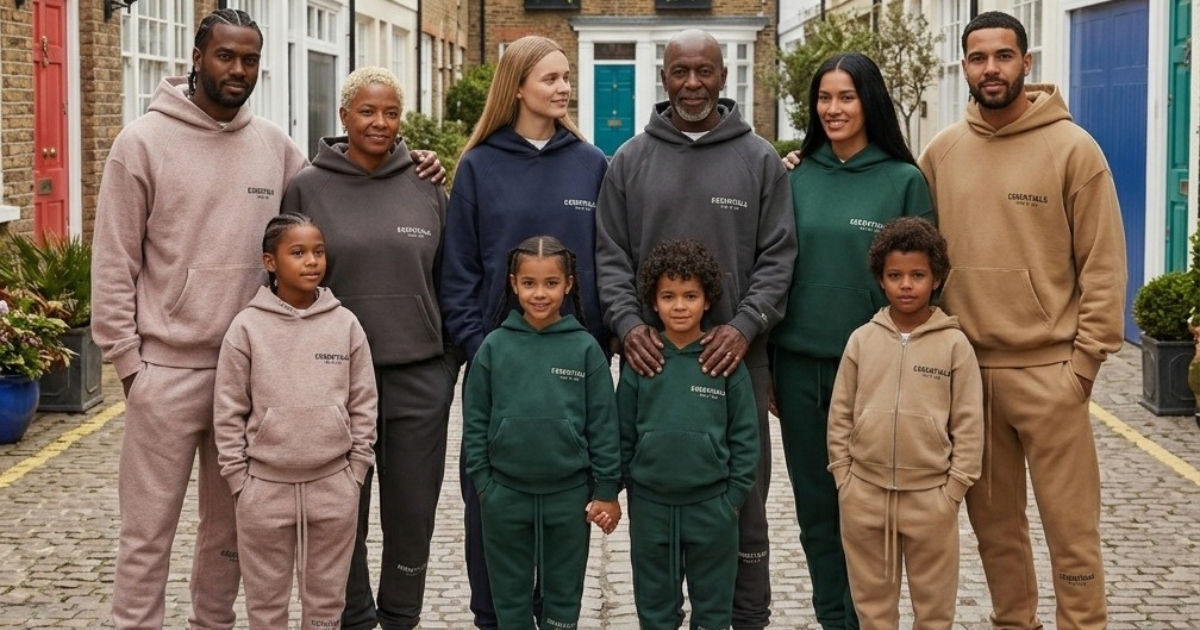 The Essentials tracksuit is no longer just gym wear—it has evolved into a cultural statement, especially when linked with NBA limited editions. Fans and collectors alike now see the Essentials tracksuit as something that represents identity, status, and lifestyle.
What makes this even more interesting is how the Essentials tracksuit has been reimagined through NBA collaborations and limited drops. These releases often sell out quickly, making the Essentials tracksuit even more desirable. In today’s fashion world, scarcity adds value, and the Essentials tracksuit is a perfect example of that principle in action. Whether worn courtside or on the street, the Essentials tracksuit carries a unique blend of athletic heritage and modern design.
In this guide, we will explore why NBA limited editions stand out, how design influences demand, and why the Essentials tracksuit continues to dominate streetwear culture.
The Rise of NBA Streetwear Culture
NBA fashion has transformed dramatically over the past two decades. Players are no longer just athletes; they are global style icons. This shift has helped elevate items like the Essentials tracksuit, turning them into everyday essentials for fans.
The Essentials tracksuit fits perfectly into NBA culture because it mirrors the league’s blend of performance and personality. Players often wear relaxed, high-end streetwear before games, and the Essentials tracksuit reflects that aesthetic. As NBA tunnel walks became social media content, the Essentials tracksuit gained even more visibility.
Another reason for its popularity is relatability. Fans want to dress like their favorite players, and the Essentials tracksuit offers that connection. It is stylish without being overly complicated, making it a natural fit for NBA-inspired fashion.
Limited editions further increase demand. When an NBA collaboration drops featuring the Essentials tracksuit, it immediately becomes a collector’s item. This scarcity drives hype, especially among younger fans who follow sneaker and streetwear culture closely.
What Makes NBA Limited Editions Special
Limited edition releases have a psychological impact on buyers. When people know that something is rare, they want it more. This is especially true for the Essentials tracksuit, which gains extra value when released in NBA-themed drops.
The Essentials tracksuit becomes more than clothing in these moments—it becomes memorabilia. Fans associate it with a specific season, player, or moment in basketball history. That emotional connection is powerful and long-lasting.
Design teams often create exclusive colorways for NBA editions of the Essentials tracksuit, making each drop unique. These designs are not repeated, which increases urgency. Once sold out, the Essentials tracksuit from that collection is rarely restocked.
Another factor is storytelling. NBA limited editions often reflect team identities, championship moments, or city pride. The Essentials tracksuit fits into this narrative by acting as a wearable representation of those stories.
Collectors also play a major role. Many people purchase the Essentials tracksuit not just to wear, but to keep as part of a collection. Over time, these pieces can increase in value, especially if they are tied to iconic NBA events.
Design Philosophy Behind the Essentials Tracksuit
The design of the Essentials tracksuit is rooted in minimalism. Clean lines, neutral tones, and relaxed fits define its aesthetic. This simplicity is what makes the Essentials tracksuit so versatile.
When NBA elements are added, the design becomes even more dynamic. Logos, subtle branding, and team-inspired color palettes elevate the Essentials tracksuit without overwhelming its core identity.
Comfort is another key factor. The Essentials tracksuit is made for movement, which aligns perfectly with basketball culture. Whether traveling, warming up, or relaxing, NBA players often prefer clothing like the Essentials tracksuit for its ease.
Fabric quality also matters. The materials used in the Essentials tracksuit are typically soft yet durable, making them suitable for everyday wear. This balance between comfort and structure is part of what makes the Essentials tracksuit stand out.
Designers also focus on timelessness. Instead of chasing fast fashion trends, the Essentials tracksuit is built to last across seasons. This is especially important in NBA limited editions, where fans want pieces that remain stylish over time.
The Psychology of Scarcity and Hype
Scarcity is one of the biggest drivers behind fashion hype. When the Essentials tracksuit is released in limited quantities, demand instantly spikes.
This is not accidental. Brands carefully control supply to maintain exclusivity. The Essentials tracksuit becomes more desirable simply because not everyone can get it.
Social media amplifies this effect. Influencers, athletes, and celebrities often showcase the Essentials tracksuit shortly after release, creating a sense of urgency. People seeing others wear the Essentials tracksuit feel pressure to acquire it quickly.
Resale markets also contribute to hype. Once sold out, the Essentials tracksuit often appears on resale platforms at higher prices. This reinforces the idea that it is valuable and hard to obtain.
Psychologically, owning a limited Essentials tracksuit feels like belonging to an exclusive group. That emotional reward is a major reason why NBA editions perform so well.
Even those who already own multiple versions still chase new drops of the Essentials tracksuit, especially when NBA collaborations are involved.
NBA Influence on Modern Streetwear Trends
The NBA has become one of the strongest influences on global fashion. From tunnel fits to post-game interviews, players constantly showcase high-end streetwear like the Essentials tracksuit.
This visibility has reshaped consumer behavior. Young fans now look at the Essentials tracksuit as a symbol of athletic luxury.
NBA collaborations often highlight cultural diversity and creativity. The Essentials tracksuit fits into this narrative because it can be styled in multiple ways, from casual to elevated streetwear.
Players like LeBron James, Kevin Durant, and others have contributed to making the Essentials tracksuit more mainstream. Their influence helps bridge the gap between sportswear and fashion.
Brands also leverage NBA partnerships to introduce new audiences to the Essentials tracksuit. These collaborations expand reach and strengthen brand identity.
As a result, the Essentials tracksuit has become a staple in modern wardrobes, especially among basketball fans and streetwear enthusiasts.
Styling the Essentials Tracksuit for Everyday Wear
One of the biggest advantages of the Essentials tracksuit is its versatility. It can be styled in multiple ways depending on the occasion.
For casual wear, the Essentials tracksuit pairs well with sneakers and minimal accessories. This creates a clean, relaxed look suitable for daily activities.
For a more elevated streetwear outfit, layering the Essentials tracksuit with jackets or premium footwear enhances its appeal. NBA-inspired looks often follow this approach.
Athletes and fans also wear the Essentials tracksuit while traveling. Its comfort makes it ideal for long flights or road trips.
Color coordination is another important factor. Neutral tones in the Essentials tracksuit allow easy matching with other wardrobe pieces.
Even in colder weather, the Essentials tracksuit works well when layered properly. Hoodies, coats, and sneakers all complement its design.
Because of its simplicity, the Essentials tracksuit remains relevant across seasons and fashion cycles.
Resale Market and Collectibility
The resale market has significantly impacted the value of the Essentials tracksuit. Limited NBA editions often resell at much higher prices than retail.
Collectors view the Essentials tracksuit as an investment piece. Rare colorways or collaboration drops can become highly valuable over time.
Platforms dedicated to streetwear resale frequently list the Essentials tracksuit, especially after NBA releases sell out.
Condition and rarity determine price. A new or unworn Essentials tracksuit from an NBA limited edition can fetch premium value.
This resale culture also increases awareness. Even people who cannot purchase the Essentials tracksuit at retail become familiar with its significance through secondary markets.
The cycle of release, sell-out, and resale keeps demand for the Essentials tracksuit consistently high.
Cultural Impact of NBA Essentials Collaborations
NBA collaborations have transformed the Essentials tracksuit into more than just clothing. It has become a cultural artifact representing sport, fashion, and identity.
Fans often associate specific Essentials tracksuit drops with memorable NBA seasons or events.
This emotional connection strengthens brand loyalty. People return for new versions of the Essentials tracksuit because each release feels meaningful.
Music, sports, and fashion also intersect here. Artists and influencers wearing the Essentials tracksuit help spread its cultural influence.
The Essentials tracksuit has become part of everyday urban fashion, seen in cities around the world.
Its simplicity allows it to transcend age, gender, and style boundaries.
Conclusion
The NBA Essentials Tracksuit phenomenon shows how fashion and sports can merge into something culturally powerful. The rise of limited editions has turned the Essentials tracksuit into more than just clothing—it is now a symbol of exclusivity, identity, and modern streetwear culture. From design philosophy to resale value, every aspect of the Essentials tracksuit contributes to its popularity.
NBA collaborations amplify this effect by adding storytelling, scarcity, and emotional value. As a result, the Essentials tracksuit continues to stand out in a crowded fashion market.
Whether worn casually, collected as a limited piece, or styled for streetwear influence, the Essentials tracksuit remains a defining item in contemporary fashion. Its impact is not temporary; it reflects a long-term shift in how people view comfort, luxury, and cultural relevance.
In the end, the Essentials tracksuit is not just about style—it is about belonging to a movement that connects basketball, fashion, and individuality in a single, iconic form.
